Job openings for electrical and telecommunications engineers in the Kanto region.
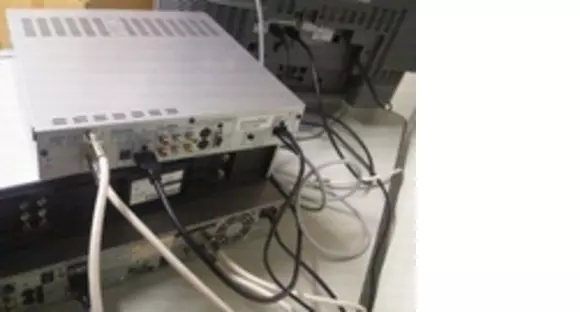
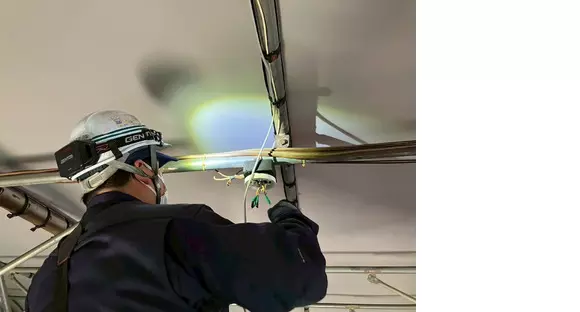
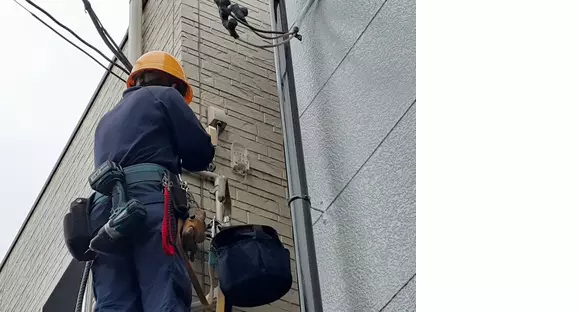
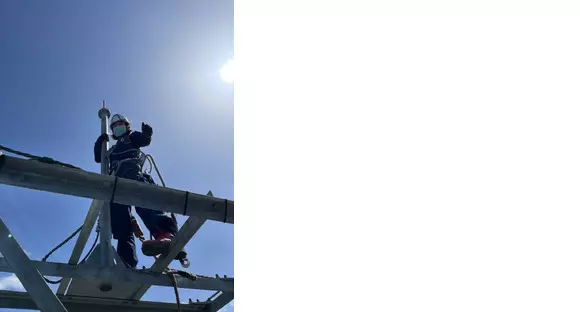
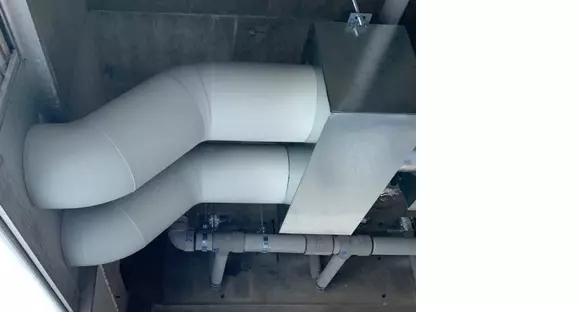
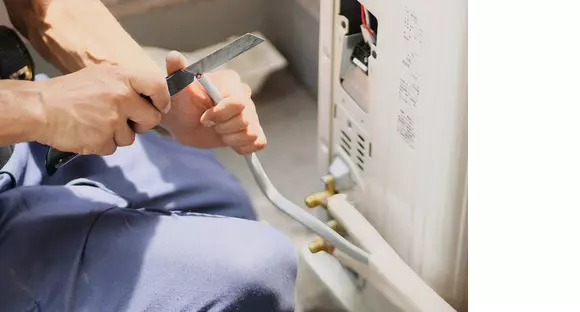
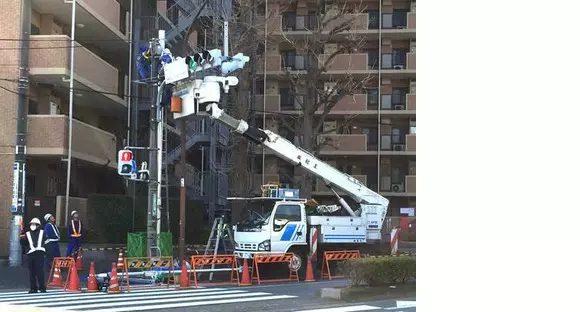
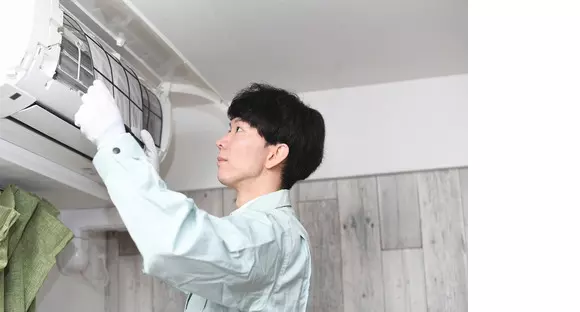
For those seeking electrical or telecommunications jobs in the Kanto area, this job listing compiles job openings related to building electrical equipment and telecommunications infrastructure. Electrical work involves wiring and equipment installation in residential buildings, commercial facilities, factories, etc., while telecommunications work mainly involves fiber optic and LAN cabling and the installation of telecommunications equipment.
Work arrangements vary from site to site; some projects are primarily daytime, while others involve travel, business trips, or night work. If you're starting without experience, it's important to choose a workplace with a good system in place for shadowing experienced colleagues and providing safety training. Before applying, it's a good idea to check the job posting to see if any qualifications are required, the work location and transportation, and whether or not there's a training program. Also, organizing information beforehand about things you should know, such as transportation to the work site, dress code, and tool handling, will help reduce any discrepancies after joining the company.
FAQ
- Can I apply even if I don't have an electrician's license?
- It varies depending on the job. Work requiring an electrician's license, such as residential wiring, is mandated by law, and those without the license often start with auxiliary tasks. Some workplaces have systems in place to support obtaining qualifications, so please check the application requirements and whether qualification support is available in the job posting before applying.
- What is the difference between telecommunications work and electrical work?
- Electrical work primarily involves the installation of wiring, lighting, and power equipment to supply electricity. Telecommunications work mainly involves the installation of wiring and equipment used for information communication such as telephones, the internet, and LANs. Both jobs involve buildings and facilities, but the equipment used and the areas of knowledge differ, so it's best to choose the field that interests you.
- If I'm starting with no prior experience, what kind of preparations should I make?
- In addition to basic physical fitness and health management, it's essential to be mindful of following safety rules. Learning the basics of electricity and wiring from introductory books will help you understand things more quickly on-site. It's also reassuring to check necessary equipment such as work clothes and safety shoes, and to prepare transportation for commuting and getting to the worksite in advance.
- What are some common pitfalls and attitudes you should have when working?
- On-site, it's essential to not leave anything you don't understand unresolved, but to carefully check with your seniors and report, communicate, and consult with them. Safety is the top priority in construction, so it's also important not to disregard the rules. There's a lot to learn, but you'll steadily acquire skills by gaining experience one step at a time.